

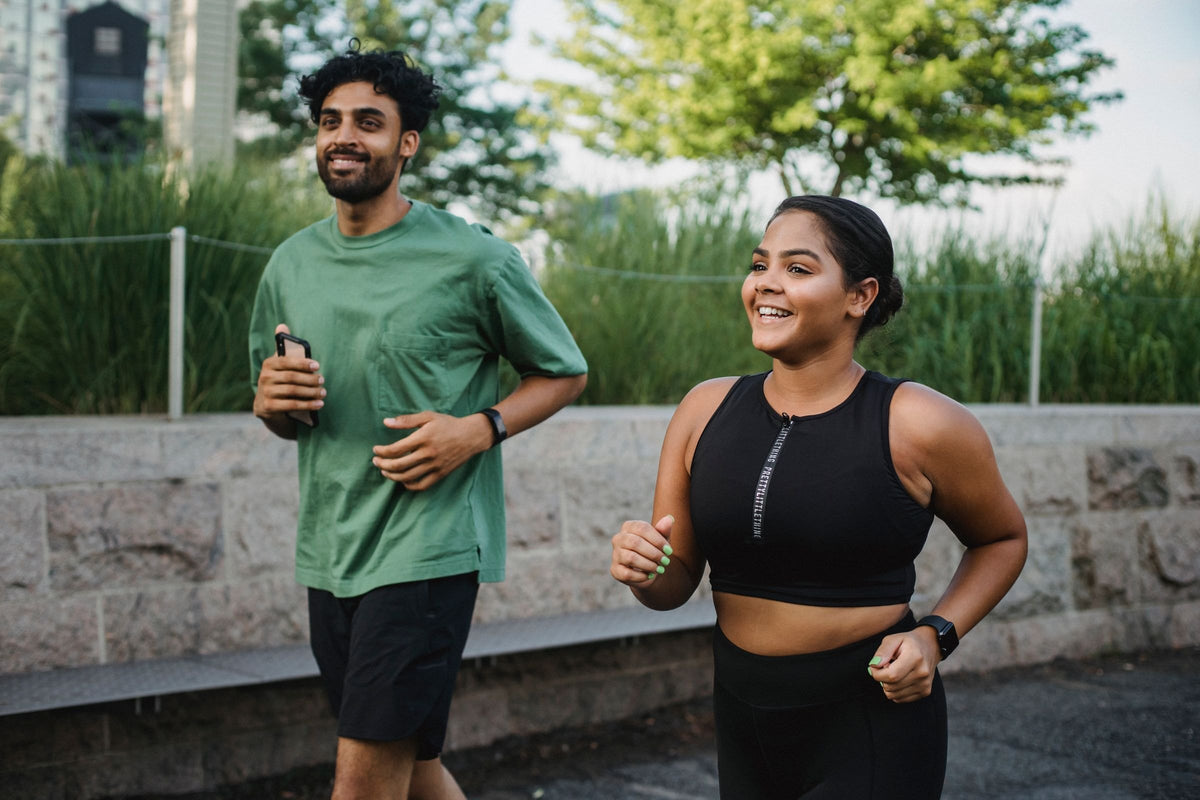
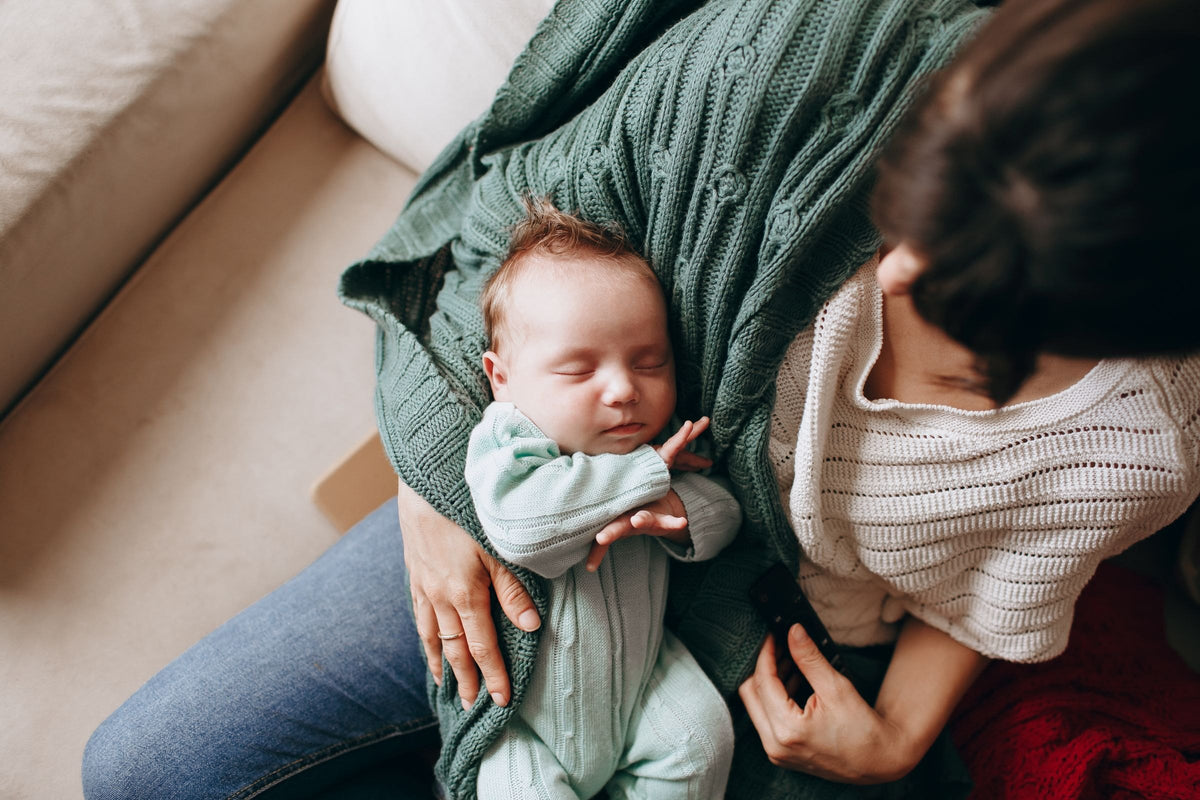
The short answer: most low energy comes from sleep, stress, diet and activity, and for women, hormonal changes across the cycle, after pregnancy and around the menopause. The NHS approach is to fix the basics first: regular sleep times, regular meals, daily movement and less stress, with vitamin D in autumn and winter. If you have been tired for weeks and do not know why, see a GP (NHS: Tiredness and fatigue).
This guide brings together everything we have written about everyday energy, vitality and mood for men and women, with links to each in-depth article from our Fertility & Wellness Journal.
Why do I feel tired all the time?
The NHS lists the common causes of tiredness as not getting enough sleep or insomnia, an unhealthy lifestyle, stress, depression and life challenges such as a new baby, and hormonal changes such as puberty, pregnancy or the menopause. Medical causes include sleep apnoea, iron deficiency anaemia, diabetes and thyroid problems (NHS: Tiredness and fatigue).
What drains energy in men?
For many men from their thirties on, it is several small things stacking up: shorter or broken sleep, alcohol, long working weeks, less training and more stress. Loud snoring with gasping at night can be a sign of sleep apnoea, which is worth raising with a GP (NHS: Sleep apnoea).
- Why men’s energy and vitality decline after 30: sleep, stress and lifestyle changes that add up from your thirties.
- Why do I wake up tired every morning?: everyday causes, sleep apnoea, peeing at night and when to see a GP.
- 7 signs men’s vitality needs more support: energy, mood and drive changes worth discussing with a GP, plus lifestyle steps.
- Shilajit for energy and vitality: what the research says about shilajit, fatigue and stamina.
- Cold plunge recovery: what the evidence shows on recovery, sleep and stress, and the risks to know.
What drains energy in women?
Energy often shifts with the menstrual cycle, after pregnancy and through perimenopause, when night sweats, broken sleep and brain fog are common (NHS: Menopause symptoms). Heavy periods can lead to iron deficiency anaemia, which causes tiredness and lack of energy (NHS: Iron deficiency anaemia).
- Follicular phase fatigue: why energy can dip in the first half of the cycle, including iron stores.
- PMS supplements UK: saffron, vitamin B6 as P5P and cycle support compared with a basic complex.
- Understanding perimenopause and menopause: symptoms, stages and where nutrition fits.
- Perimenopause: navigating the hormonal shift: what is happening to hormones in the years before the last period.
- Perimenopause sleep and night sweats: why nights break, cooling tips and when to see a GP.
- Perimenopause brain fog: why memory and focus slip, and when to get it checked.
- Menopause: embracing your next chapter: nutrition for bone, heart and brain health after menopause.
What can men and women both do to feel more energetic?
The NHS self-help tips are simple: eat regular meals and healthy snacks every 3 to 4 hours, get moving and build up to 150 minutes of moderate activity a week, keep to the same bed and wake times, avoid daytime naps, and make time to relax (NHS: Self-help tips to fight tiredness). Keep alcohol to no more than 14 units a week (NHS: The risks of drinking too much), and consider 10 micrograms of vitamin D a day from October to March (NHS: Vitamin D).
- Why hormones change with age in men and women: a plain look at how age, stress and sleep affect hormones.
- Hormones in men and women: what the research shows: how one hormone matters for mood and vitality in both sexes.
- Ashwagandha for stress, energy and vitality: what KSM-66 research does and does not show.
- Sleep isn’t rest: what happens to your hormones overnight and why sleep comes first.
Can a supplement help with energy and vitality?
A supplement cannot replace sleep, food or a medical check, but some nutrients have authorised roles in normal energy. Our Revive formulas are stimulant-free food supplements made in the UK. Him Revive contains folate, which contributes to the reduction of tiredness and fatigue, and zinc, which contributes to normal cognitive function, alongside KSM-66® ashwagandha, shilajit and Korean ginseng. Her Revive contains vitamins B6 and B12, which contribute to the reduction of tiredness and fatigue, and vitamin B6 also contributes to the regulation of hormonal activity, alongside saffron and rhodiola. Couples can take both with the Him & Her Revive Bundle, or browse our vitality support range.
If you take regular medicine, are pregnant or breastfeeding, or are under medical care, check with your GP or pharmacist first.
When should I see a GP about tiredness?
The NHS advises seeing a GP if you have been feeling tired for a few weeks and do not know why, if it is affecting your daily life, or if you have other symptoms such as unexplained weight loss (NHS: Tiredness and fatigue). A few simple blood tests can rule out common causes.
Energy and vitality: frequently asked questions
Why am I tired all the time?
The NHS lists the most common causes as not getting enough sleep, an unhealthy diet or little exercise, stress and low mood, and hormonal changes such as the menopause. If you cannot explain it and it is not getting better, see a GP.
What is the quickest natural way to get more energy?
The NHS suggests eating regular meals and healthy snacks every 3 to 4 hours, getting moving (even a 15-minute walk helps), keeping regular sleep times and reducing stress.
Which vitamins help with tiredness?
Several nutrients have authorised claims: vitamins B6 and B12, folate and iron contribute to the reduction of tiredness and fatigue. Supplements cannot make up for poor sleep or a medical cause.
Should I take vitamin D in winter?
The NHS says everyone in the UK should consider a daily 10 microgram vitamin D supplement between October and March, when the sun is not strong enough for your skin to make enough.
When should I see a GP about low energy?
See a GP if you have felt tired for a few weeks without knowing why, if it affects daily life, or if you have other symptoms such as weight loss, palpitations, breathlessness or very heavy periods.
Sources
- NHS: Tiredness and fatigue
- NHS: Self-help tips to fight tiredness
- NHS: Sleep apnoea
- NHS: Menopause symptoms
- NHS: Iron deficiency anaemia
- NHS: Vitamin D
- NHS: The risks of drinking too much
This guide is general information, not medical advice. Food supplements should not replace a varied, balanced diet and healthy lifestyle.


Leave a comment
All comments are moderated before being published.
This site is protected by hCaptcha and the hCaptcha Privacy Policy and Terms of Service apply.