

Folic acid gets all the attention when you start trying for a baby, and rightly so. Iron tends to get mentioned much later, often at the first antenatal blood test, when a midwife tells you your levels are low and you’re already pregnant and exhausted. When we were going through IVF ourselves, we found that most of the useful iron advice was aimed at pregnancy, not the months before it.
The short answer: most women don’t need a high-dose iron supplement before pregnancy, but it’s worth making sure your iron is in a good place before you start. Your blood volume rises a lot during pregnancy, low iron is common in UK women of childbearing age, and it’s much easier to top up your stores before you conceive than after. If you have heavy periods, follow a vegetarian or vegan diet, or feel tired all the time, ask your GP about a blood test that includes ferritin.
This guide covers why iron matters before pregnancy, what ferritin and haemoglobin results mean, how much iron you need, the best food sources, and where a supplement fits.
Do you need iron before pregnancy?
Your body uses iron to make haemoglobin, the protein in red blood cells that carries oxygen. During pregnancy your blood volume rises and your baby builds up its own iron stores, so demand goes up a lot, especially in the second and third trimesters. If you go into pregnancy with low stores, there’s less in reserve to draw on.
The NHS says most people can get the iron they need from a varied, balanced diet, and that women with heavy periods are at higher risk of iron deficiency anaemia and may need supplements (NHS: Iron). So the honest answer is that it depends on you. The months before trying are a good time to find out where you stand.
How common is low iron in UK women?
More common than most people think. The UK’s National Diet and Nutrition Survey found that women aged 19 to 64 were, on average, getting about three-quarters of the recommended amount of iron, and a quarter had intakes so low they were below the level considered likely to be inadequate for most people. Around 5% of adult women had both low haemoglobin and low iron stores (NDNS years 9 to 11, Public Health England, 2020).
Periods are the main reason. Every cycle uses some iron, and heavy periods use a lot. Diet matters too: iron from plants is absorbed less well than iron from meat and fish, and tea and coffee with meals reduce absorption further.
What are the signs of low iron?
Low iron can build up slowly, so the symptoms are easy to put down to a busy life. The NHS lists these as common signs of iron deficiency anaemia (NHS: Iron deficiency anaemia):
- tiredness and lack of energy
- shortness of breath
- noticeable heartbeats (palpitations)
- paler than usual skin
- headaches
Less common signs include hair shedding, a sore tongue, restless legs, spoon-shaped nails and craving non-food items such as ice. You can also have low iron stores without being anaemic and without obvious symptoms, which is why a blood test is more useful than guessing.
What do ferritin and haemoglobin results mean?
If your GP checks your iron, you’ll usually see two numbers that matter:
- Haemoglobin (Hb) is part of a full blood count and shows whether you’re anaemic right now.
- Ferritin reflects your iron stores, the reserve your body draws on. Ferritin can fall well before haemoglobin does, so it’s the earlier warning sign.
Before pregnancy, your results are compared with the lab’s reference range and your GP will interpret them alongside your symptoms and history. Once you’re pregnant, the British Society for Haematology’s UK guideline defines anaemia as haemoglobin below 110 g/l in the first trimester and below 105 g/l after that, and says a ferritin below 30 µg/l in pregnancy indicates iron deficiency (Pavord et al., British Journal of Haematology, 2020). The same guideline recommends a full blood count at your booking appointment and around 28 weeks, and suggests checking ferritin in women at higher risk, such as those with previous anaemia, a twin pregnancy, pregnancies less than a year apart, or a vegetarian diet.
If you know you fit one of those groups, it makes sense to raise it with your GP before you start trying rather than waiting for booking bloods.
Does iron affect fertility?
The evidence here is limited, so it’s worth being careful. One large US study followed 18,555 women who were trying to conceive or became pregnant over eight years. Women who took iron supplements had a lower rate of infertility linked to ovulation problems than women who didn’t (Chavarro et al., Obstetrics & Gynecology, 2006). That’s an observational finding, which means it shows a link, not cause and effect, and it hasn’t been confirmed in trials.
What is well established is the pregnancy side. The NHS notes that iron deficiency anaemia left unmanaged can mean a greater risk of complications before and after birth, which is the strongest reason to get your levels right early.
How much iron do you need when trying to conceive?
The NHS recommends 14.8 mg of iron a day for women aged 19 to 49, compared with 8.7 mg for men. There isn’t a separate, higher figure for trying to conceive; the aim is to reach that amount consistently.
On supplements, the NHS says taking 17 mg or less a day is unlikely to cause harm, and that high doses (over 20 mg) can cause constipation, nausea and stomach pain. If your GP prescribes a higher dose because a test shows you need it, follow their advice. Keep iron supplements out of reach of children, as an overdose can be very dangerous for a young child.
Best iron-rich foods before pregnancy
Food comes first. Good sources include:
- Red meat, in moderation, as the NHS advises limiting red and processed meat.
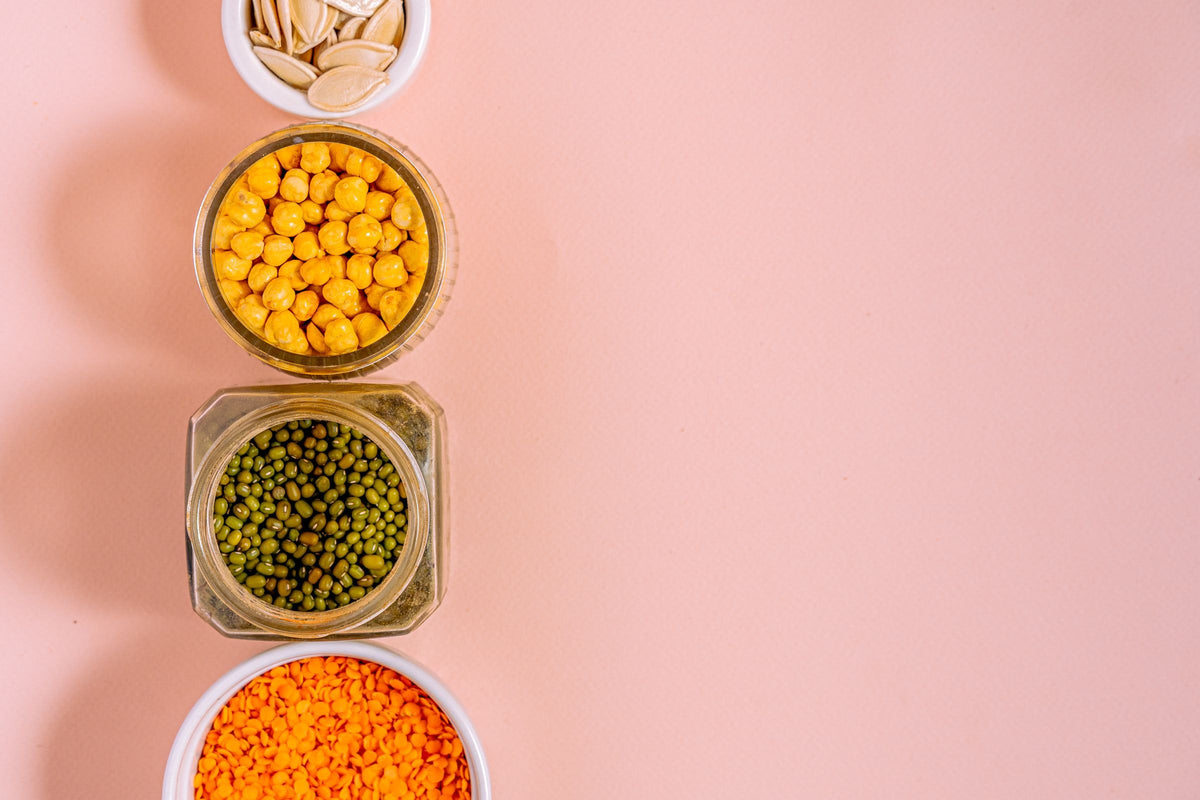
- Beans and pulses such as kidney beans, chickpeas, lentils and edamame.
- Dark green leafy veg such as kale and watercress.
- Nuts, seeds and dried fruit such as apricots, prunes and raisins.
- Fortified breakfast cereals and bread.
Two practical tips make a real difference. Pair plant sources of iron with vitamin C, such as peppers, berries, citrus or a small glass of orange juice, since vitamin C increases iron absorption. And keep tea and coffee away from meals, because they make it harder to absorb iron. Our guide to caffeine and alcohol when trying to conceive has the wider limits.
One food to drop: the NHS advises avoiding liver and liver products in pregnancy because of their very high vitamin A content. Since you may not know you’re pregnant for a few weeks, it’s simpler to get your iron elsewhere while you’re trying.
Iron, B12 and folate work together
Iron isn’t the only nutrient behind healthy blood. Vitamin B12 contributes to normal red blood cell formation, and folate contributes to normal blood formation. Low B12 or folate can cause a different type of anaemia, which a full blood count will also pick up.
Folate matters for other reasons before pregnancy too: the NHS recommends 400 micrograms of folic acid a day while trying and for the first 12 weeks. If you’re weighing up the forms, our guide to methylfolate vs folic acid explains the difference. Vitamin D and thyroid health are the other two checks worth knowing about; see our posts on vitamin D before pregnancy and thyroid and TSH when trying to conceive.
Where a preconception supplement fits
A supplement doesn’t replace a blood test, a prescription if you need one, or a good diet. What it can do is help you reach your daily needs consistently in the months before pregnancy.
Yan, our resident science nerd, built Her Fertility with that in mind. Each daily serving of four capsules includes 10 mg of iron as bisglycinate, a gentle and well-absorbed form, within the NHS’s 17 mg guide for supplements. Iron contributes to the normal formation of red blood cells and haemoglobin and to the reduction of tiredness and fatigue. It sits alongside 500 µg of vitamin B12 as methylcobalamin, 400 µg of active folate (5-MTHF), vitamin D3, iodine, selenium, zinc, CoQ10 and NAC, so you’re not juggling separate tubs. If your partner is getting ready too, the Him & Her Fertility Bundle lets you start on the same day, and you can see the full range on our fertility support page.
Check the total iron across everything you take, so you don’t double up with a separate multivitamin or iron tablet without meaning to. Iron can also affect how some medicines are absorbed, including thyroid tablets, so ask your pharmacist about timing if you take any regular medication. If you’re under a fertility clinic, follow their advice on what to take.
When to see your GP about iron
Book an appointment if you have symptoms of anaemia, heavy periods (for example, needing to change protection every hour or two, or passing large clots), or if you’ve had anaemia before. Heavy periods can often be helped with medicine, and sorting them out tends to help your iron levels too.
And if you’ve been trying for a while, our guide on how long to try before seeing a GP has the NHS and NICE timings, including when to go sooner if you’re 36 or over.
Iron before pregnancy: frequently asked questions
Should I take iron before getting pregnant?
Not necessarily. Most women can get enough iron from a varied diet. If you have heavy periods, eat little or no meat, have had anaemia before or feel tired all the time, ask your GP for a blood test that includes ferritin before you start trying.
What is a good ferritin level before pregnancy?
Your result is compared with the lab’s reference range, and your GP will interpret it with your symptoms. As a guide, the UK haematology guideline says a ferritin below 30 µg/l in pregnancy indicates iron deficiency, so it’s worth knowing your own number and asking your GP what it means for you before you conceive.
Can low iron stop you getting pregnant?
The evidence is limited. One large observational study linked iron supplement use with a lower rate of ovulation-related infertility, but it can’t show cause and effect. Low iron does matter in pregnancy, so it’s sensible to check and correct it beforehand.
How much iron should I take when trying to conceive?
The NHS recommends 14.8 mg a day from all sources for women aged 19 to 49. For supplements, 17 mg or less a day is unlikely to cause harm. Take a higher dose only if your GP advises it.
How long does it take to raise iron levels?
It takes time. When the NHS prescribes iron tablets for iron deficiency anaemia, they’re usually taken for about six months, with repeat blood tests to check progress. That’s one reason to look at iron early rather than waiting until you’re pregnant.
This article is general information for UK readers, not medical advice. Her Fertility is a food supplement, not a medicine, and should not be used as a substitute for a varied, balanced diet and a healthy lifestyle. Talk to your GP or pharmacist before starting supplements, especially if you take medication, have a health condition or are under a fertility clinic. Individual results vary.
Read our complete guide: Male & female fertility: the complete UK guide


Leave a comment
All comments are moderated before being published.
This site is protected by hCaptcha and the hCaptcha Privacy Policy and Terms of Service apply.